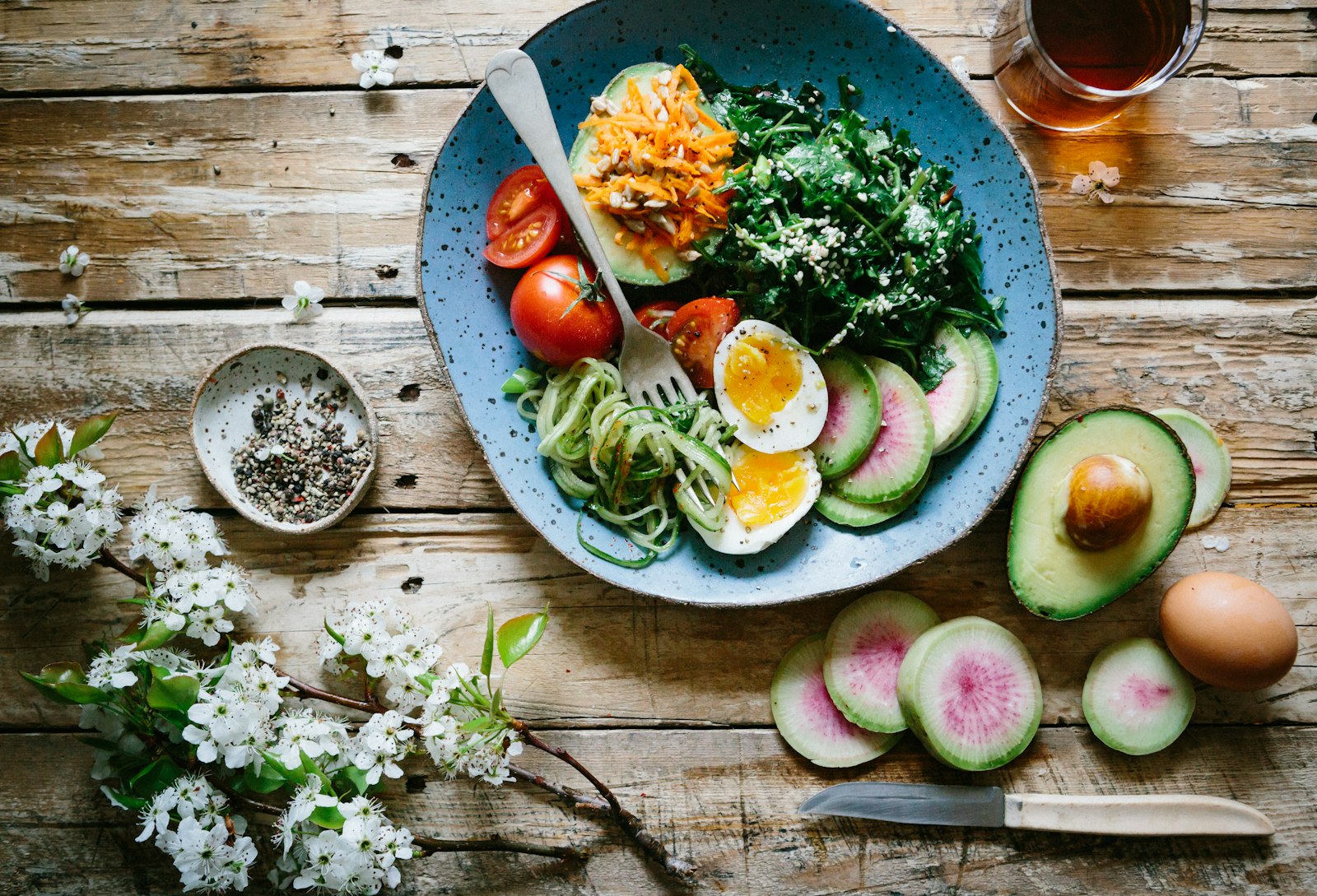
Building muscle in Dubai requires a different approach than training in temperate climates. The extreme heat, constant dehydration, and unique availability of local and imported foods mean that the nutrition strategies you've read in standard bodybuilding guides need significant adjustment. This comprehensive guide covers everything you need to eat to build muscle successfully in Dubai, from calorie calculations and macro timing to finding affordable protein sources and managing electrolytes in 45°C heat. Whether you're a bodybuilder chasing competition stage-ready conditioning or simply want to add 5 to 10kg of quality muscle, this article delivers the complete nutrition blueprint. For a comprehensive overview of the entire muscle building journey in Dubai, see our complete muscle building guide.
1. How Dubai's Climate Changes Your Nutritional Needs
Before we discuss macros, meal timing, and supplement strategies, we need to address the elephant in the gym: Dubai's climate is extreme, and it fundamentally changes how your body processes nutrition and energy.
Sweat Rate and Fluid Loss
During intense training, your sweat rate in Dubai can exceed 1.5 to 2 litres per hour, significantly higher than training in moderate climates. This isn't just water loss; you're losing sodium, potassium, magnesium, and other electrolytes that are critical for muscle contraction and recovery.
A study on athletes training in Middle Eastern heat found that sweat losses were 30 to 40% higher than identical training in cooler environments. This means your hydration strategy must be far more aggressive than standard advice suggests.
Thermoregulation Increases Energy Expenditure
Your body works harder to stay cool in Dubai's heat. Thermoregulation, the process of maintaining core body temperature, can increase your daily calorie expenditure by 10 to 15%. This means you may need 200 to 300 more calories daily just to maintain your current weight compared to training in a moderate climate. For muscle building, you'll need to account for this in your calorie surplus calculation.
Summer training outdoors at 6 AM or evening sessions burn more calories than you might expect simply due to the environmental heat stress.
In Dubai's heat, you need:
- 15 to 20% more daily fluid intake than temperate climates
- 200 to 300 additional calories to account for thermoregulation
- Aggressive electrolyte replacement during and after training
- Strategic meal timing to avoid peak heat during digestion
2. Calorie Surplus for Muscle Building
Muscle growth requires energy. Without a calorie surplus, your body has no signal to build new muscle tissue, it will simply maintain or reduce body weight. However, the surplus needs to be carefully calibrated to maximise muscle gain while minimising unnecessary fat gain.
How Much Surplus Do You Need?
Research consistently shows that a surplus of 200 to 500 calories above maintenance is optimal for muscle building. This range accommodates different body types and training experiences:
- 200 to 300 calorie surplus: Best for experienced lifters with lower body fat or those sensitive to fat gain. Results in slower muscle gain but cleaner body composition.
- 300 to 400 calorie surplus: The "sweet spot" for most trainees. Fast muscle gain without excessive fat accumulation.
- 400 to 500 calorie surplus: For hardgainers or those new to serious training. Maximises muscle growth rate but expect 1kg of fat per 2 to 3kg of muscle gained.
In Dubai's heat, consider the higher end of these ranges because your thermoregulation will burn additional energy that isn't captured in standard calculations.
Calculating Your Maintenance Calories
Start with the Mifflin-St Jeor equation for resting metabolic rate (RMR):
| Formula Component | Calculation |
|---|---|
| Men | (10 × weight kg) + (6.25 × height cm) − (5 × age) + 5 |
| Women | (10 × weight kg) + (6.25 × height cm) − (5 × age) − 161 |
Then multiply RMR by your activity factor:
- Sedentary (little exercise): RMR × 1.2
- Lightly active (1 to 3 days/week): RMR × 1.375
- Moderately active (3 to 5 days/week): RMR × 1.55
- Very active (6 to 7 days/week): RMR × 1.725
In Dubai's heat, add 200 to 300 calories to this figure. If your calculated maintenance is 2,800 calories, your actual maintenance in Dubai may be closer to 3,000 to 3,100 calories.
Start with your calculated calorie surplus and track weight for 3 to 4 weeks. If gaining slower than 0.25 to 0.5kg per week, increase by 100 calories. If gaining faster than 1kg per week, reduce by 100 calories.
3. Protein: The Foundation of Muscle
Protein is the most important macronutrient for muscle building. It provides the amino acids required for muscle protein synthesis, the process that creates new muscle tissue. Without adequate protein, even with perfect training and a calorie surplus, you'll struggle to build muscle effectively.
How Much Protein Do You Need?
The research is clear: 1.6 to 2.2g of protein per kg of body weight daily is optimal for muscle building. Most people achieve excellent results at the lower end (1.6g/kg), while competitive bodybuilders often use the higher range.
Examples for common body weights:
- 70kg person: 112 to 154g protein daily
- 80kg person: 128 to 176g protein daily
- 90kg person: 144 to 198g protein daily
Protein Timing and Distribution
While the total daily protein matters most, distributing it evenly throughout the day optimises muscle protein synthesis. Aim for 25 to 40g of complete protein per meal across 3 to 4 meals daily. This is more effective than consuming 100g in one meal and 20g in another.
Post-workout is particularly important. Consuming 20 to 40g of protein within 2 hours after training accelerates recovery and muscle growth, especially when combined with carbohydrates.
Complete Proteins vs. Incomplete
Complete proteins contain all nine essential amino acids. In Dubai, focus on complete protein sources:
- Animal sources: chicken, beef, fish, eggs, Greek yoghurt, whey protein
- Plant sources: quinoa, buckwheat, hemp seeds, soy protein
- Combinations: rice + lentils, chickpeas + bread (these combine to form complete proteins)
4. Carbohydrates for Training Performance
Carbohydrates get unfairly demonised in some fitness circles, but they're essential for muscle building, especially in Dubai's heat where training intensity must be maintained despite extreme environmental stress.
Why Carbs Matter for Muscle Growth
Carbohydrates fuel high-intensity resistance training, improve recovery, and create an anabolic environment for muscle growth. Without adequate carbs, your training performance drops, hormonal profile deteriorates, and muscle building slows dramatically.
In Dubai's heat, carbs are even more critical because they improve thermoregulation and hydration status. Carbohydrates hold water intracellularly; adequate carb intake helps you stay hydrated at the cellular level during intense training in extreme heat.
How Much Carbs Do You Need?
A typical muscle-building carb target is 4 to 7g per kg of body weight daily, depending on training volume and intensity. Most strength-focused trainees thrive at 4 to 5g/kg:
- 70kg person, 4g/kg: 280g carbs daily
- 80kg person, 5g/kg: 400g carbs daily
- 90kg person, 6g/kg: 540g carbs daily
Best Carb Sources in Dubai
- Rice (white and brown), widely available and affordable
- Oats, available at Carrefour, Spinneys, and Lulu
- Sweet potatoes, increasingly common in Dubai supermarkets
- Bread and pasta, inexpensive and convenient
- Fruits, dates, bananas, apples, readily available and cheap
- Lentils and chickpeas, affordable and easy to cook in bulk
5. Fats: What You Need and What to Avoid
Dietary fat is essential for hormone production, nutrient absorption, and overall health. But not all fats are equal, and in Dubai's heat, fat intake requires specific attention.
How Much Fat Do You Need?
Aim for 0.5 to 1.5g of fat per kg of body weight daily. This typically provides 20 to 35% of daily calories. Most muscle builders thrive at the higher end (1 to 1.5g/kg) because healthy fats support hormone production and satiety.
- 70kg person: 35 to 105g fat daily
- 80kg person: 40 to 120g fat daily
- 90kg person: 45 to 135g fat daily
Healthy Fats to Prioritise
- Olive oil, particularly for salads and light cooking
- Fatty fish (salmon, mackerel), excellent protein and omega-3s
- Nuts and seeds, almonds, walnuts, chia seeds
- Avocados, increasingly available in Dubai supermarkets
- Eggs, cheap, accessible, nutrient-dense
Fats to Limit in Dubai Heat
High-trans fat foods (processed oils, cheap fried foods) impair thermoregulation and increase inflammation. In hot climates, this is particularly problematic. Avoid:
- Deep-fried convenience foods
- Hydrogenated oils
- Excessive saturated fat (though some is healthy)
6. Electrolytes in Dubai's Heat
This is perhaps the most overlooked aspect of muscle building nutrition in Dubai. While protein, carbs, and calories make headlines, electrolytes are just as critical for muscle function, hydration, and performance in extreme heat.
Sodium: The Primary Electrolyte
You lose sodium through sweat at a rate of 500 to 1000mg per hour during intense training in Dubai's heat. Without sodium replacement, you develop hyponatremia (low blood sodium), which causes:
- Muscle cramps
- Premature fatigue
- Dizziness and confusion
- Impaired recovery
Standard recommendations suggest 500 to 700mg sodium per 500ml of fluid during training. In Dubai's extreme heat, this should increase to 600 to 800mg per 500ml. This is why sports drinks (like Gatorade or locally available alternatives) are valuable tools, not just marketing gimmicks.
Potassium and Magnesium
These minerals regulate muscle contraction and prevent cramping. Aim for:
- Potassium: 3,000 to 4,000mg daily (bananas, sweet potatoes, coconut water)
- Magnesium: 300 to 400mg daily (nuts, seeds, leafy greens, or supplementation)
Many Dubai lifters benefit from a magnesium supplement (300 to 400mg taken in the evening) because heat increases magnesium losses through sweat and urine.
- Drink 500 to 750ml of sports drink (6 to 8% carbs + 600mg sodium) per hour of training
- Add salt to meals post-workout to replenish sodium losses
- Consume electrolyte drink immediately after training, not 30+ minutes later
- Consider magnesium supplementation (especially if cramping occurs)
- Increase coconut water intake for potassium
7. Meal Timing and Training
When you eat matters, especially in Dubai's extreme heat where training timing and meal coordination become critical for performance and recovery.
Pre-Workout Nutrition
Eat 1.5 to 3 hours before training. The goal is to fuel performance without creating digestive discomfort in the heat.
- Light training: 20 to 30g carbs + 10 to 15g protein (banana + yoghurt)
- Intense strength training: 40 to 60g carbs + 15 to 20g protein (oatmeal + chicken)
- Early morning training: Quick-digesting carbs + minimal fat/fibre (toast + honey, banana)
Avoid large meals or high fat immediately before training in Dubai's heat, this impairs thermoregulation and may cause nausea.
Intra-Workout Nutrition
For sessions longer than 60 minutes, particularly in summer heat:
- 6 to 8% carbohydrate drink (30 to 60g carbs per hour)
- 600 to 800mg sodium per hour
- Sufficient fluid to match sweat losses (150 to 250ml every 15 minutes)
Post-Workout Nutrition (Anabolic Window)
Within 2 hours after training, consume:
- Protein: 20 to 40g (accelerates muscle protein synthesis)
- Carbohydrates: 40 to 80g (replenishes glycogen, improves insulin response)
- Electrolytes: Sodium-containing meal or drink
- Fluids: 150% of weight lost (if you lost 1kg, drink 1.5L over 4 hours)
Optimal post-workout: grilled chicken + rice with salt, or protein shake with banana and oats.
Ramadan Adaptations
During Ramadan, when fasting occurs during daylight hours, shift your training to post-iftar (after breaking fast). Your meal timing strategy changes dramatically:
- Pre-iftar: Light hydration only
- At iftar: Dates + water, then wait 30 minutes
- Main meal: High carb + protein + electrolytes (30 to 45 min after iftar)
- Training: 60 to 90 minutes after iftar meal
- Post-training: Protein + carbs within 30 min
- Suhoor: Slow-digesting carbs + protein (oatmeal, eggs)
Reduce training volume by 20 to 30% during Ramadan because you're operating in a calorie deficit despite your evening meals. See our detailed guide to Ramadan muscle preservation for more strategies.
8. Best Protein Sources Available in Dubai
The protein sources you choose determine both your costs and your nutrition consistency. Dubai offers excellent variety, from ultra-cheap local options to premium imported products.
Supermarket Protein Sources (By Cost)
| Protein Source | Protein per Serve | Where to Buy |
|---|---|---|
| Eggs (dozen) | 6g per egg | All supermarkets |
| Chicken breast (1kg) | 35 to 40g per 100g | Carrefour, Lulu, Spinneys |
| Canned tuna | 20g per can | All supermarkets |
| Greek yoghurt | 15 to 20g per 150g | Carrefour, Spinneys |
| Whey protein powder (1kg) | 25g per scoop | Supplement shops, online |
| Cottage cheese | 14g per 100g | Carrefour, Spinneys |
| Lentils (dried) | 25g per cooked cup | All supermarkets |
| Lean beef (1kg) | 26g per 100g | Carrefour, Lulu |
Meal Prep Services in Dubai
If convenience is worth the cost, several Dubai meal prep companies deliver tracked macros:
- Kcal Meals:, exact macro tracking, available across Dubai
- Fuel:, flexible plans, excellent protein options
- NutriBox:, bulk discount available
These services save time and ensure consistent macro intake, valuable for serious muscle builders with tight schedules.
Budget Protein Strategy
To hit 150g+ protein daily on a budget:
- Buy eggs in bulk
- Buy chicken in 5 to 10kg bulk from Lulu or Carrefour (cheaper per kg)
- Use cottage cheese and Greek yoghurt as snacks
- Add dried lentils to rice dishes (rice + lentils = complete protein)
- Buy whey protein in bulk (1kg bags are more economical than smaller)
9. Supplement Stack for Dubai Lifters
Supplements are not necessary for muscle building, but certain ones are evidence-backed and practical in Dubai's heat and training conditions.
Essential Supplements
- Whey Protein Powder: Convenient, cheap per serving, easy to hit protein targets. 2 to 3 scoops daily is practical.
- Creatine Monohydrate: 5g daily significantly improves strength and muscle growth. for a 300g tub (6 months supply). Requires consistent daily intake.
- Electrolyte Supplement: Powder mix (sodium, potassium, magnesium) for intra or post-workout.. Essential in Dubai heat.
Optional But Beneficial
- Magnesium Supplement: 300 to 400mg at night for recovery and cramp prevention..
- Vitamin D3: 2000 to 4000 IU daily, especially important in Dubai where sun exposure happens early morning or evening to avoid heat.
- Beta-Alanine: 3 to 5g daily improves high-rep training endurance..
Skip These in Dubai Heat
- Fat burners with stimulants (increase core temperature, dangerous in heat)
- Expensive pre-workouts (cheaper homemade alternatives: caffeine + beta-alanine + electrolytes)
- BCAAs (unnecessary if protein intake is adequate)
10. Sample Muscle Building Meal Plan for Dubai
Here's a complete day of eating for an 80kg Dubai lifter building muscle. This totals approximately 3,200 calories, 160g protein, 400g carbs, 85g fat. Adjust portions based on your maintenance + 300 to 400 calorie surplus.
| Meal | Foods & Portions | Macros (P/C/F) |
|---|---|---|
| Breakfast | 3 whole eggs + 2 whites + 1 cup oats + banana | 35g / 65g / 15g |
| Snack 1 | Greek yoghurt (200g) + honey (1 tbsp) + almonds (30g) | 20g / 35g / 12g |
| Pre-Workout | Banana + 1 scoop whey | 25g / 30g / 2g |
| Lunch | Grilled chicken (250g) + 1.5 cups rice + vegetables + olive oil (1 tbsp) | 40g / 80g / 18g |
| Snack 2 | Cottage cheese (200g) + berries | 25g / 20g / 3g |
| Dinner | Lean beef (200g) + sweet potato (300g) + salad + olive oil | 35g / 70g / 18g |
| DAILY TOTALS | 180g / 300g / 68g |
You can reduce costs further by buying bulk chicken or using eggs as your primary protein source.
Macro Breakdown for Different Goals
Adjust the ratios based on your specific goal:
| Goal | Protein (g/kg) | Carbs (g/kg) | Fat (g/kg) | Best For |
|---|---|---|---|---|
| Maximum Muscle Gain | 2.0 to 2.2 | 5 to 7 | 0.8 to 1.0 | Hardgainers, new trainees |
| Lean Muscle Gain | 1.8 to 2.0 | 4 to 5 | 1.0 to 1.2 | Most people, experienced lifters |
| Muscle + Minimal Fat | 1.8 to 2.0 | 3 to 4 | 1.2 to 1.5 | Competitive bodybuilders, pre-competition |
Download Your Free Dubai Muscle Building Nutrition Guide
Get a complete meal plan template, macro calculator, and shopping list optimised for Dubai prices and food availability. PDF includes Ramadan adaptations and meal prep strategies.
Sample Weekly Shopping List (Muscle Building, 80kg Person)
- Weekly total:
Ready to Build Muscle in Dubai's Heat?
Work with a certified nutrition coach to create your personalised muscle-building plan. Browse verified professionals, compare credentials, and start building today.
Find a Nutrition Coach → Get a Recommendation →
✓ Free to browse · ✓ Certified professionals · ✓ First consultation included