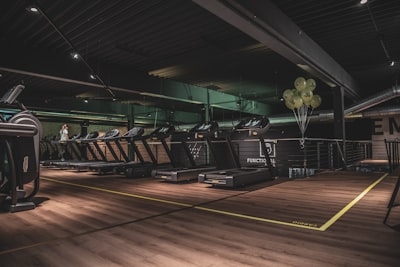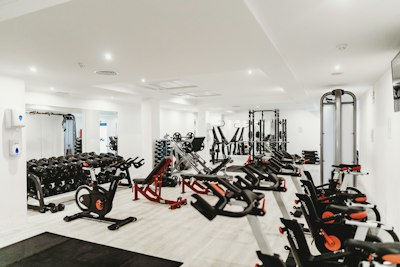
The fitness decision keeping Dubai residents up at night: should you invest in a home gym or commit to a membership? Between Dubai's soaring real estate prices, intense summer heat, and the rise of premium fitness facilities, the answer isn't obvious. This is the first detailed financial comparison for 2026 with real equipment costs, hidden membership fees, and a three-year financial projection that tells you exactly which option makes sense for your lifestyle and budget.
Whether you're a busy professional squeezing workouts into a packed schedule, a parent seeking privacy and convenience, or someone recovering from a gym commitment, this analysis breaks down every cost. We've partnered with equipment suppliers across Dubai, analyzed pricing from major gyms like GymNation, Fitness First, and NAS Sports, and factored in the unique challenges of fitness in Dubai from AC overuse costs to building regulations. Our comprehensive Dubai gym guide covers all major facilities; this article focuses specifically on the financial trade-off.
The Quick Verdict: 3-Year Cost Comparison
If you just want the numbers, here's the straight answer. Over three years, here's what you'll actually spend:
| Option |
|---|
| Basic Home Gym |
| Budget Gym (GymNation) |
| Mid-Range (Fitness First) |
| Premium Home Gym |
| Premium Gym (NAS Sports) |
Budget gym memberships win on cost over 3 years. But if you stay committed for 5+ years, a premium home gym breaks even and starts saving money. Most people, however, abandon gym memberships after 2 years.
The True Cost of a Dubai Gym Membership
The monthly rate isn't the whole story. Dubai gyms bundle in fees, cancellation penalties, and recurring charges that add up fast. Here's what you'll actually pay:
Base Monthly Rates (2026 Dubai Pricing)
- GymNation (Budget): for basic membership, for premium with pool access
- Fitness First (Mid-Range): depending on location and contract length
- NAS Sports (Premium): with all facilities included
- 24/7 Independent Gyms: for smaller chains without pool
Hidden Fees to Budget For
Beyond monthly rates, expect these recurring or one-time costs:
- Joining Fee: depending on the gym (often waived during promotions)
- Annual Renewal Fee: charged every 12 months at many facilities
- Parking: if not included (very common in Dubai)
- Locker Rental: for a personal locker
- Towel Service: (some gyms charge separately)
- Personal Training Sessions: (not included in membership)
- Group Classes: if not included in your package
- Sauna/Steam Room Access: Sometimes an add-on
Realistic Monthly Total for Gym Members
If you use the gym 3 to 4 times per week and add basic extras (parking, towels, occasional training):
- GymNation Member: (membership) + (parking) + (towels) =
- Fitness First Member: (membership) + (parking) + (towels) + (renewal) = avg
- NAS Sports Member: (membership) + (parking) + (renewal) = avg
Most Dubai gyms lock you into 12-month contracts with early termination fees If life changes, you could be stuck paying for months you don't use. Always negotiate a 3-month trial period or month-to-month terms.
Building a Home Gym in Dubai: Complete Cost Breakdown
A home gym doesn't have to be expensive. Many Dubai residents succeed with in equipment. The question is: what do you actually need?
Basic Setup:
Ideal for: bodyweight + resistance training, light cardio. Fits in a corner of a bedroom or spare room.
- Adjustable Dumbbells Set (5 to 25 kg): (Decathlon, Noon.com, local sports shops)
- Weight Bench: (adjustable, foldable to save space)
- Resistance Bands Set:
- Yoga Mat & Foam Roller:
- Jump Rope:
- Doorway Pull-Up Bar:
- Total:
This setup covers ~80% of what most people need for fitness. Builds muscle, supports cardio, low noise, takes ~1.5 x 2 meters of floor space.
Intermediate Setup:
Ideal for: serious lifters, full-body training, some cardio equipment. Needs a dedicated room or villa garage.
- Rack + Barbell + Weight Plates: (power rack, Olympic barbell, plates to 100+ kg)
- Treadmill (Basic): (second-hand options reduce cost)
- Adjustable Dumbbells (Complete Set):
- Weight Bench: (heavy-duty, adjustable for incline)
- Resistance Bands, Cables, Accessories:
- Flooring/Matting: (rubber tiles for noise and floor protection)
- Total:
This gives you a serious setup that rivals mid-range gyms. Requires 4 x 5 meters minimum. Noise and AC costs become a factor.
Premium Setup:
Ideal for: serious enthusiasts, commercial-quality equipment, multi-purpose training. Requires villa space or large garage.
- Commercial Squat Rack + Barbell + Plates:
- Commercial Treadmill:
- Elliptical or Rowing Machine:
- Full Cable Machine:
- Complete Dumbbell Set (1 to 50 kg):
- Mirrors, Flooring, Ventilation Upgrades:
- Total:
Premium setups rival high-end gyms. Budget-minded lifters rarely justify this investment, but serious trainers selling online classes or running bootcamps often do.
Where to Buy in Dubai
- Decathlon (Ibn Battuta, Mall of the Emirates): Best for basic equipment, reliable quality
- Noon.com & Amazon.ae: Wide selection, often cheaper than shops, 2 to 3 day delivery
- Local Sports Shops (Deira, Bur Dubai): Negotiable prices, bulk discounts, know suppliers personally
- Second-Hand (Dubizzle, Facebook Marketplace): Save 30 to 50%, but inspect before buying; often in great condition
- Specialist Gyms (GymNation, Fitness First outlets): Sell equipment directly, sometimes offer bundle deals
Dubai's expat turnover is your advantage. Between July September, Dubizzle and Facebook Marketplace are flooded with barely-used equipment from people relocating. You can save thousands buying used, and the quality is often like-new.
The Dubai Apartment Challenge: Space and Heat Considerations
Dubai apartments present unique challenges for home gyms. Before buying equipment, understand what you're working with.
Space Reality Check
A typical Dubai 1-bedroom apartment (apartment living is 90% of Dubai):
- Total Space: 700 to 900 sq ft
- Spare Space (balcony, corner of master bedroom, small study): 30 to 50 sq ft realistically
- What Fits: Dumbbells, bench, yoga mat, resistance bands basically a basic setup
- What Doesn't Fit: Racks, treadmills, full cable machines, power cages
Noise Issues (The Biggest Problem)
Dropping weights or running a treadmill directly above or beside neighbors is a recipe for complaints and lease termination. Apartment proximity means sound travels fast.
- Rubber flooring: reduces impact noise significantly
- Wall-mounted racks: Better than free-standing ones (less noise when loading/unloading)
- No dropping weights: Controlled movements only; many serious lifters simply can't train this way
- Early morning or evening timing: Work around neighbors' sleep schedules
Air Conditioning Costs
A home gym heats up fast. Intense workouts + equipment generate body heat + electricity from machines = AC running overtime.
- Extra AC per month: (May October especially)
- Annual impact:
- Mitigation: Work out early morning (before heat builds) or use AC-free options like resistance training and yoga
Building Rules & Landlord Approval
Check your lease and building rules before investing. Some communities are strict:
- Floor weight limits: Some buildings restrict heavy equipment; confirm with management
- Modifications: Wall-mounted racks or ceiling-mounted pull-up bars may need landlord approval
- Noise clauses: Many leases explicitly forbid disruptive activities (heavy lifting, cardio machines)
- Subletting risk: Equipment left in apartments can complicate subletting
Villas vs. Apartments
Villa gyms are a different story. If you're in Jumeirah, Arabian Ranches, or Emirates Hills:
- Sound isolation is better (garages, yard space available)
- You can invest in a full intermediate setup without neighbor concerns
- AC costs are lower per equipment unit (larger space)
- You own the space; no landlord restrictions
Year 1, Year 2, Year 3: Running Cost Comparison
The short-term vs. long-term picture changes dramatically. Let's break down realistic scenarios.
Scenario 1: Budget Gym Member (GymNation)
- Year 1: joining fee + annual + (parking, towels, other) =
- Year 2:
- Year 3: (membership) + (renewal) =
- 3-Year Total:
Reality: Most people stick with budget gyms 6 to 12 months, then cancel and start again elsewhere. Actual spend: before quitting.
Scenario 2: Mid-Range Gym Member (Fitness First)
- Year 1: joining fee + annual + (parking, towels, add-ons) =
- Year 2:
- Year 3: (membership) + (renewal) =
- 3-Year Total:
Reality: These members often stick longer (15 to 18 months) because facilities are better. But contract lock-in is strong; cancellation attempts often fail.
Scenario 3: Basic Home Gym (Paid Upfront)
- Year 1: equipment + (flooring, accessories) + extra AC (summer intensive use) =
- Year 2: (equipment replacement, bands wearing out) + (extra AC) =
- Year 3: (equipment maintenance) + (extra AC) =
- 3-Year Total:
Reality: Home gym costs drop dramatically after year 1. By year 3, you're essentially maintaining what you already have.
Scenario 4: Premium Home Gym (Serious Investment)
- Year 1: equipment + flooring/setup + extra AC + upgrades =
- Year 2: maintenance + AC =
- Year 3: maintenance + AC =
- 3-Year Total:
Break-even point: A premium home gym equals the cost of a premium gym membership around year 4 to 5 (depending on usage intensity and upgrades).
Scenario 5: Premium Gym Member (NAS Sports)
- Year 1: joining fee + annual + (parking, personal training, extras) =
- Year 2: (membership) + (renewal) =
- Year 3: (membership) + (renewal) =
- 3-Year Total:
Reality: Premium gym members commit longer because the community and amenities justify the cost. Retention is 75%+ in year 2. But costs never drop.
What You Give Up With Each Option
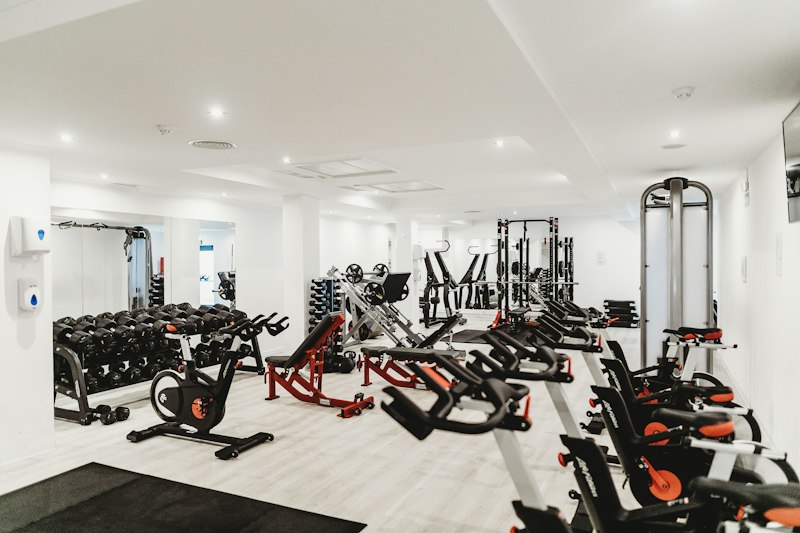
Cost isn't the only factor. Each option comes with real lifestyle trade-offs. The cheaper option might actually be more expensive in terms of what you lose.
Gym Membership: Pros and Cons
- Access to 100+ machines and cable stations
- Built-in community and training partners
- Group fitness classes (spin, yoga, HIIT)
- Swimming pool and spa facilities
- Professional staff and trainers
- Sauna, steam rooms, recovery tools
- Accountability (showing up to a location helps)
- No equipment buying or maintenance
- Travel time (avg. 20 to 40 min in Dubai traffic)
- Membership fees (ongoing, non-negotiable)
- Crowded peak hours (5 to 9 PM)
- Early morning/late night inflexibility
- Less privacy (self-conscious during training)
- Parking fees and commute stress
- Contract lock-in and cancellation fees
- Equipment availability (waiting for machines)
Home Gym: Pros and Cons
- Complete flexibility (train anytime, 24/7)
- No travel time (walk downstairs)
- Full privacy and comfort
- No membership fees after initial investment
- Your setup, your rules (music, temperature, rest)
- Lower long-term costs (especially year 2+)
- Equipment always available
- Great for busy parents, shift workers
- Limited equipment variety (compared to gyms)
- No built-in community or accountability
- No group classes or instructors
- No professional advice (form checks, programming)
- Upfront capital cost
- Equipment takes up apartment/home space
- Isolation and self-motivation required
- Noise complaints and neighbor friction
- No recovery amenities (pool, spa, massage)
📖 Related Guide: Home Workout Programme Dubai, Complete No-Gym Training Guide, our comprehensive resource on training effectively at home in Dubai.
Not Ready to Commit to a Full Membership?
Day passes and drop-in fees let you test a gym before signing a contract. Check what's available near you.
The Best of Both Worlds: Hybrid Strategy
Many smart Dubai residents choose neither pure option. Instead, they blend both for maximum flexibility and cost efficiency. Here's how:
Approach 1: Home Gym + Occasional Day Passes
- Build a basic home gym: (dumbbells, bench, resistance bands)
- Use it for 80% of training: Daily workouts, flexibility, convenience
- Buy monthly day pass packages: for 4 to 8 visits (specific gyms like GymNation offer these)
- Visit gyms when you need: Pool access, classes, change of scenery, specific machines
- Annual cost: (maintenance) + (12 monthly passes) =
Benefit: You get 90% of gym benefits (pool, classes, community on your terms) for less than a full membership, while keeping the convenience and cost savings of a home gym.
Approach 2: Home Gym + Personal Training Sessions
- Build a functional home gym: (dumbbells, rack basics, bench, mat)
- Hire a trainer to visit you:, 1 to 2x per week
- Session cost per month: (includes expert guidance, accountability, form correction)
- Annual cost: (maintenance) + (24 sessions) =
Benefit: You avoid gym membership fees but get professional guidance. Trainers often provide motivational accountability that's missing from solo home training. Check our personal training guide for trainer rates across Dubai.
Approach 3: Budget Gym + Home Gym Supplement
- Join GymNation (budget gym):
- Keep home gym for convenience: upfront, annual
- Alternate between them: Train at home on busy days, hit the gym for community/classes when you have time
- Annual cost: + =
Benefit: Best of both worlds at a reasonable cost. You keep accountability and community through the gym, but avoid peak-hour frustration by training at home when life is hectic.
Home Gym Equipment Guide for Dubai
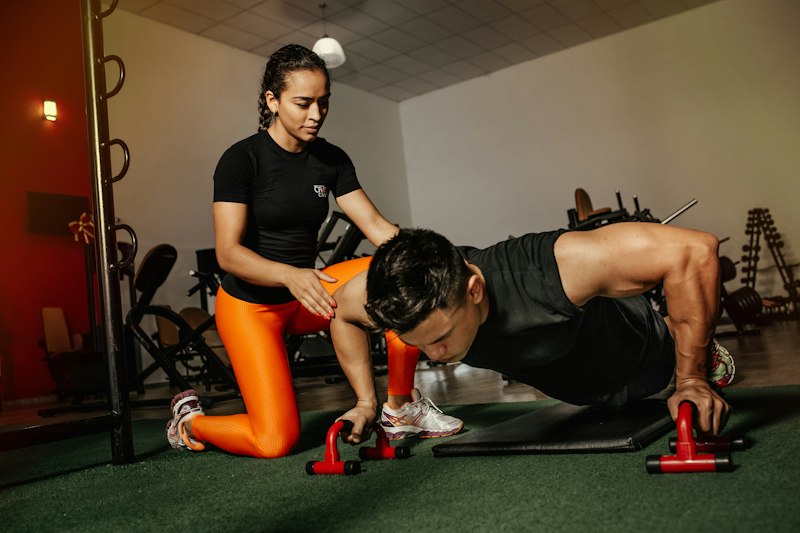
If you're going the home gym route, here's what works best in Dubai's climate and tight apartment spaces. Focus on equipment that's versatile, durable in heat, and quiet.
Must-Have Equipment
1. Adjustable Dumbbells
Price: for a 5 to 25 kg set
Why: Most versatile piece. Works for strength, hypertrophy, conditioning. Takes minimal space. No noise compared to weight plates.
Best Brands in Dubai: PowerBlocks (durable but pricey), Decathlon brand, or Spinlock. Second-hand: Check Dubizzle for used sets, often
2. Weight Bench (Adjustable, Foldable)
Price:
Why: Enables incline/decline movements dumbbells alone can't target. Foldable models save space. Essential for chest, shoulders, back work.
Best Brands: Decathlon, Noon.com carries multiple brands. Look for "multi-position" benches that fold flat.
3. Resistance Bands Set
Price:
Why: Zero noise, super portable, excellent for isolation exercises and warm-ups. Great for apartment dwellers.
Best Brands: Decathlon bands, or any set with 3 to 5 resistance levels.
4. Yoga Mat / Flooring
Price: for mat; for rubber tiles
Why: Protects floor, reduces noise when dropping weights, crucial in apartments. Rubber tiles (interlocking) are best.
Recommendation: Buy 4 to 6 rubber tiles (1m x 1m each) for. Creates a quiet training zone.
5. Doorway Pull-Up Bar
Price:
Why: Pull-ups and lat work are hard without a bar. Doorway bars are non-permanent (no landlord issues). Essential for back training.
Best Brands: Any heavy-duty doorway bar rated 150+ kg. Install in a high-traffic doorway that's already strong.
Nice-to-Have Equipment
- Foam Roller: Recovery and mobility. Quieter than cardio, fits in a corner.
- Suspension Trainer/TRX: Bodyweight training tool, super space-efficient, no noise.
- Ab Wheel: Core training, takes almost no space.
- Medicine Ball: Plyometrics, core work, functional training.
- Jump Rope: Cardio alternative to treadmills (quieter, cheaper), excellent for conditioning.
- Kettlebells: If you want them; dumbbells can substitute for most moves.
Equipment to Avoid in Dubai Apartments
- Treadmills: Extremely loud, especially in apartments. Disturbs neighbors constantly. Noise complaints are the #1 reason home gyms fail in Dubai.
- Full Weight Racks/Power Cages: Take up 4 x 2 meters, impossible in most apartments, very heavy (floor loading issues).
- Cable Machines: Large footprint, expensive, and usually not worth it in home gyms.
- Rowing Machines: Noisy, large, and not ideal for apartments.
Equipment that generates heat (treadmills, bikes) should be avoided in apartments. Dumbbells stay cool, resistance bands don't heat the room, and bodyweight work is naturally heat-conscious. High-intensity dumbbell circuits (like CrossFit-style workouts) give you cardio without needing machines.
Which Is Right for You? Decision Framework
The right choice depends on your lifestyle, goals, and temperament. Here's how to decide:
Choose a Gym Membership If:
- You live in an apartment and noise is a concern
- You need community and accountability to stay motivated
- You enjoy group classes (spin, HIIT, yoga, swimming)
- You want access to diverse equipment and expertise
- You work irregular hours (gyms are always available)
- You travel frequently (don't want equipment sitting unused)
- Your apartment space is very limited (studio or 1-bed)
- You're new to fitness and need guidance
Choose a Home Gym If:
- You're a disciplined self-starter (don't need external accountability)
- You have limited time (training at home saves commute time)
- You live in a villa or have a garage/garden space
- You prefer privacy and quiet workouts
- You're on a tight budget long-term (year 2+ savings add up)
- You have unconventional training hours (early morning or late night)
- You're experienced with training and don't need coaching
- You have dependents who keep you home (parents can train between childcare)
Choose the Hybrid Approach If:
- You want flexibility without full commitment to either
- You want community sometimes, solitude other times
- You value expert guidance (occasional training sessions)
- You're budget-conscious but want gym amenities
- You're testing fitness long-term before investing heavily
Work With a Personal Trainer
Whether at home or in a gym, a good trainer accelerates results and prevents injury. Find vetted trainers in your area.
The Verdict for Dubai Residents
Here's the honest summary based on 2026 pricing and Dubai realities:
For Apartment Dwellers (90% of Dubai):
A basic home gym + occasional day passes beats a full gym membership on cost and convenience. You avoid noise complaints, you train on your schedule, and you save money. The only trade-off: you lose community and expert guidance. Solve this with occasional personal training sessions.
For Serious Lifters:
If you're committed (4+ sessions/week), a mid-range gym membership is worth it for equipment variety and expert guidance. But consider: you could invest in a home gym and hire a trainer. Total: vs. The gym wins on cost, but only if you actually use the pool and classes. Otherwise, home gym + trainer is better.
For Budget-Conscious Individuals:
GymNation wins on cost for year 1 to 3. But commit only if you'll actually go 3+ times per week. If you're inconsistent, a small home gym pays for itself by month 3 and gives you the excuse-free flexibility that often changes behavior. Most people stick to home training better than gym commitments.
For Families:
Home gym + day passes is almost always better. You can train while kids are home, and family gym visits (for classes, pool time) are occasional treats, not daily obligations. Total cost is lower, and you avoid the "I'm too busy to drive to the gym" excuse.
For Corporate / High-Income Professionals:
Invest in a premium gym membership AND a home gym. Use the home gym for convenient daily training; use the gym for community, pool recovery, and social networking. Yes, you pay more, but the time savings and wellness ROI justify it.
The single biggest factor in success? Consistency. You'll stick to whichever option requires the least friction. For most Dubai residents, that's a home gym. But if you thrive in a community with accountability, a gym membership pays for itself in commitment and results.
Final Numbers (3-Year Total Investment):
- Budget Home Gym (Smart Choice for Apartments): + day passes =
- GymNation (Cheapest Membership): (monthly costs don't drop) = depending on frequency
- Fitness First (Best Equipment): =
- Premium Home Gym (Long-Term Win): upfront but by year 4, by year 5+
- NAS Sports (Best Experience): =
There is no wrong answer only the wrong answer for your specific situation. Choose based on your space, discipline, budget, and what motivates you. The best gym or home gym is the one you'll actually use.